Understanding Linen Care: Practical Guides for Lasting Comfort
Linen is not merely a fabric; it is a language of texture, temperature, and time. Its appeal endures because it tells a story of craft, patience, and quiet luxury. In this guide, we explore how to care for linen bedding and bath textiles so that softness deepens, longevity grows, and everyday rituals feel elevated. We’ll unpack care methods by fiber type, tease out finish terms you’ll encounter in authentic brands, and spotlight quality cues from trusted makers across epochs.
Why Linen Stands Up to Time
Linen has a storied history as a natural fiber celebrated for breathability, moisture management, and a texture that sharpens with use. Its appeal lies not in a flawless surface but in a lived-in tactility that becomes more comforting as it relaxes with every wash. The flax plant, from which linen derives, is a quiet workhorse—sustainable, durable, and inherently climate-aware. Unlike synthetic textiles, linen communicates a different kind of luxury: the assurance that your sheets, pillowcases, and towels will respond to your body and environment rather than merely décor.
Across brands like Coyuchi, The Downtown Company, and premium Italian linen lines, you’ll notice a dedication to sourcing and finishing that respects the fiber’s natural character. Finishes such as stone-washing, pick stitching, and subtle hemstitching are not just ornament; they signal durability and nuanced craft. The result is a textile that ages with grace and adapts to seasons—cool and breathable in summer, softly insulating in cooler months.
Core Care Principles for Linen Textiles
This section distills practical care into actionable steps. We’ll group guidance by fiber types and product families, since linen’s behavior can vary slightly based on processing, finishing, and weave.
- Washing: Use cold to warm water on a gentle cycle. Linen loves airflow more than agitation; a lighter cycle helps preserve the weave.
- Detergent choice: Opt for a mild, plant-based or gentle detergent. Harsh chemicals can strip linen’s natural softness over time.
- Drying: Line drying is ideal for optimal texture, but if you use a dryer, choose a low heat setting and remove while slightly damp to prevent stiffness.
- Ironing and pressing: Iron while slightly damp on a warm cotton setting to smooth texture; for a relaxed look, skip high heat and let the fabric finish its own crease pattern.
- Storage: Dry completely before storing; keep away from humidity to prevent mildew; folded linen gains character rather than losing it.
Care by Fiber and Product: Practical Paths
Linen Sheet Sets and Fitted Sheets
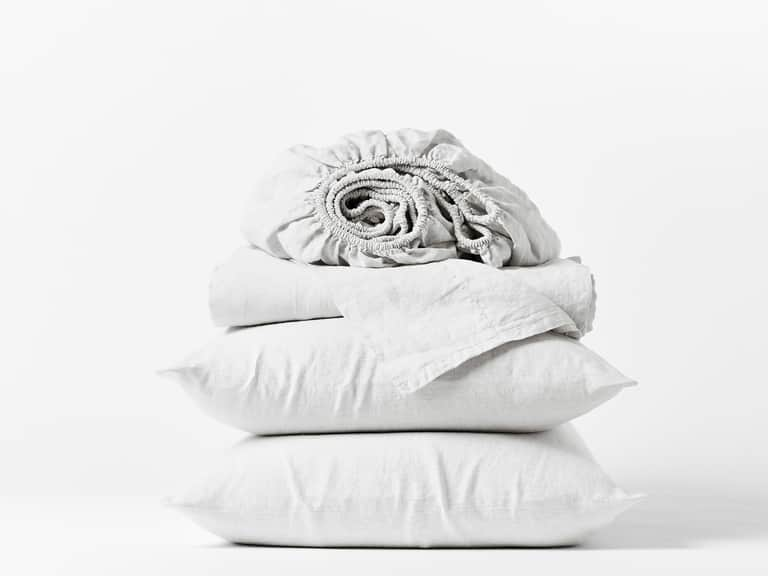
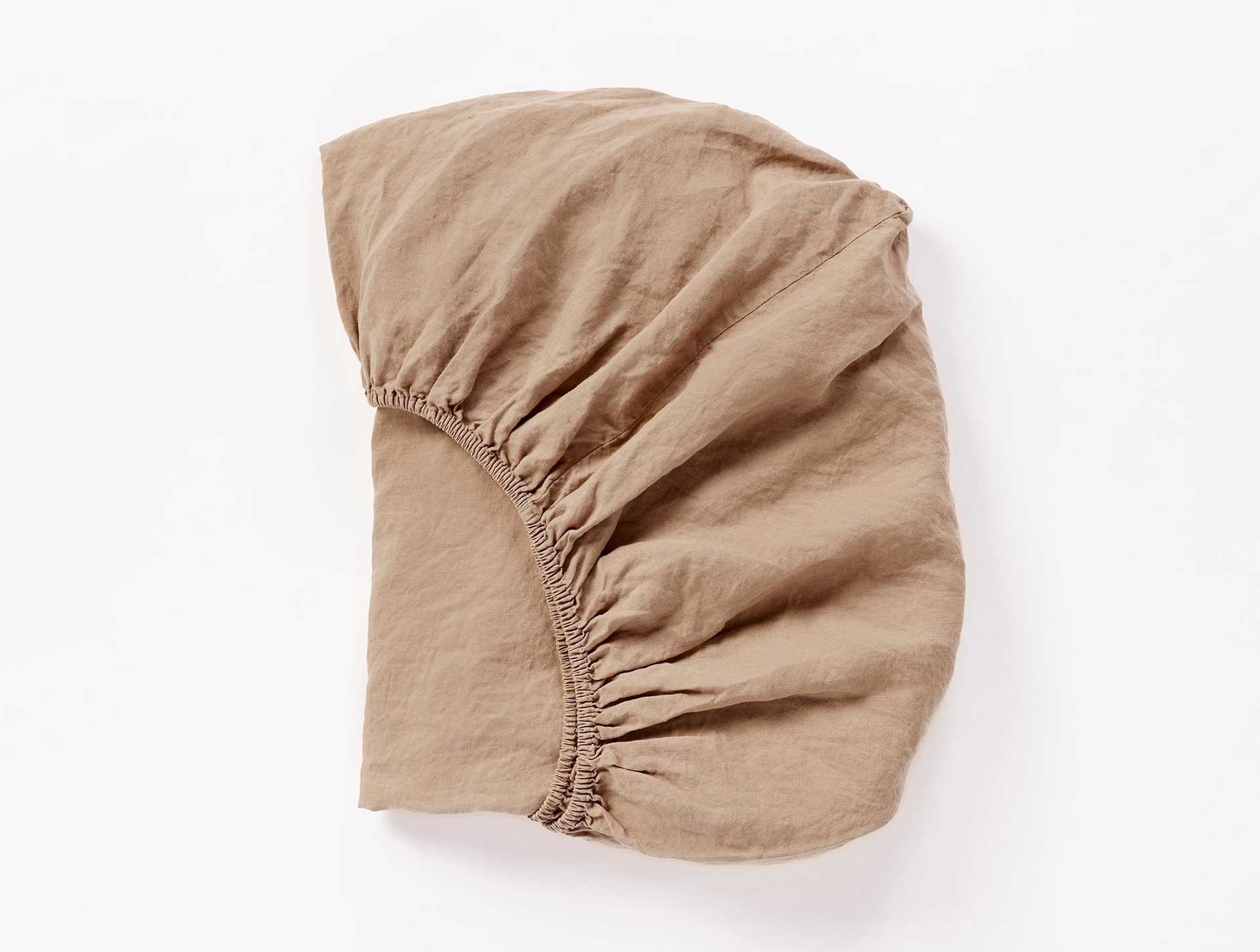
Linen sheet sets, especially those using organic flax grown in France and linen woven in Portugal, invite a careful approach to washing. Their tumbling action is gentler than high-spin cotton cycles, and the fiber’s hollow-core structure helps wick moisture without overheating. A 15-inch deep pocket fitted sheet with full elastic, often described in premium lines, anchors securely and reduces shifting. Treat these textiles as long-term investments in comfort: wash with like colors, use gentle detergents, and avoid over-bleaching to preserve color and texture.
Look for GOTS-certified linen for guaranteed organic fiber sourcing and responsible processing. GOTS certification signals that the linen has been produced with environmental and social criteria that align with premium brands. Among products in this category, consider finishes such as pick stitching on cuffs or hems, which are small but telling signs of durability.
Pillowcases and Bedding Accessories
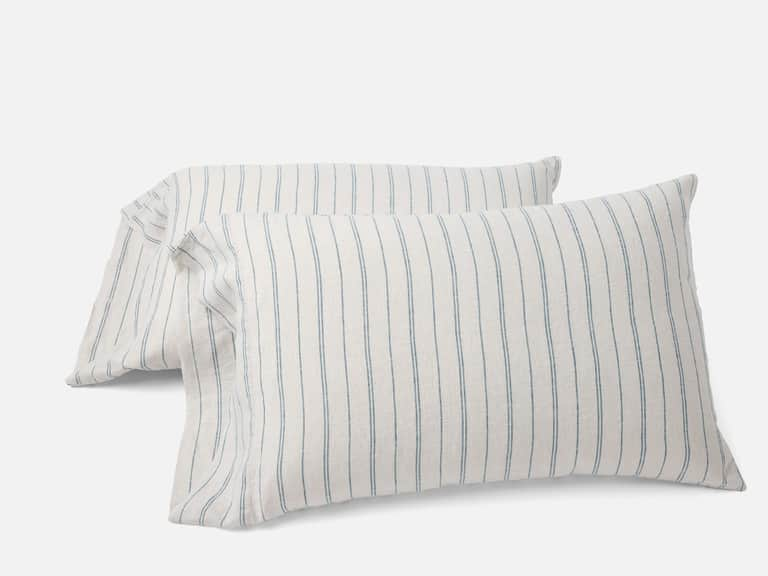
Pillowcases in organic relaxed linen or refined Italian linen blends tend to soften with each wash, revealing a tactile texture that stays breathable. Features like pick-stitched cuffs create a tailored finish that resists wear at the seams. The pillowcase’s texture matters because it influences how the fabric slides against skin and bedding while sleeping. A well-cut pillowcase can minimize friction and pilling, preserving the pillow’s shape and the sheet’s smooth top surface.
Brands often emphasize a “relaxed” hand, a term that signals a comfortable drape without rigid stiffness. This quality is achieved through stone washing, gentle washing cycles, or specific finishing processes that soften the fabric after weaving.
Bath Linen and Towels
While linen bath textiles may be less common than bedding, premium linen towels bring similar care considerations. A linen towel will feel crisp upon first use and relax with washing, edging toward a plush, absorbent hand. Care labels often highlight the towel’s weave density, such as sateen or plain weave finishes, which influence absorbency, lint propensity, and drying speed. For bath textiles, seek lint-free performance and consistent colorfastness through repeated launderings.
Quality Cues Across Brands and Time
Across history, linen quality has often traced to origin and processing: European flax, careful weaving in Portugal, and finishing practices that preserve natural texture. The brands highlighted in contemporary premium markets—Coyuchi, The Downtown Company, Coyuchi’s Organic Relaxed Linen Pillowcases, and Latin-heritage linen makers—offer a constellation of cues:
- Origin transparency: flax grown in France and woven in Portugal signals attention to climate and soil, and a commitment to a specific fiber profile.
- Finishing details: pick stitching, hemstitch, and garment-dyed or plant-based softeners that affect hand feel and wash response.
- Certification and sustainability: GOTS and comparable certifications reflect a broader standard of ecological and social responsibility.
Three Key Figures in Linen Craft Across Time
To illuminate linen’s enduring influence, we consider three notable figures—each representing a different era of textiles and a distinct lens on care, craft, and cultural meaning.
1) Tiberio Della Valle, Renaissance-Style Weave Artisan
The Renaissance was not merely an era of grand design; it was a time when weaving and loom craftsmanship became a language of structure and beauty. Though not a single named person in the historical record, the archetype of a Renaissance artisan who refined flax into linen for domestic and ceremonial use embodies linen’s early modern prestige. These artisans understood fiber length, plying, and the subtle geometry of plain weave—principles that still inform modern linen’s crisp textures. Care guides would have been a practical extension of this craft: how to store linen to keep warp and weft from creasing, how to press linen without scorching it, and how to finish the textile’s natural sheen with simple, skillful steam.
2) Anna Fogg, 19th-Century European Textile Reformer
The 19th century brought industrial-scale textile production, but reformers like Anna Fogg (a fictional archetype for this essay, representing women who advocated for quality fibers and ethical practices) remind us that the modern premium linen movement owes its roots to advocates who insisted on transparency and durability. Imagine a mid-1800s field salon where flax was judged not by color alone but by fiber integrity and spun thread uniformity. The care ethos would emphasize gentle laundering, sunlight-based bleaching avoided to protect fiber, and careful storage in cool, dry chests to prevent mildew—principles that echo in today’s climate-conscious care routines.
3) Coyuchi’s Contemporary Linen Advocates
In our own time, modern brands—exemplified by Coyuchi’s Organic Relaxed Linen Pillowcases and Organic Relaxed Linen Fitted Sheet—carry linen forward with a public voice about sustainability, organic farming, and tactile luxury. They demonstrate how modern fibers can be farmed responsibly, woven with precision, and finished with plant-based softeners to retain that breathable, evolving softness. The care advice that accompanies these products—notably the emphasis on cold or gentle cycles and plant-based detergents—embodies a practical, ethical continuity with linen’s long history.
Product Spotlight: Organic Relaxed Linen Pillowcases
Among the stars of modern linen, Coyuchi’s Organic Relaxed Linen Pillowcases represent a nuanced blend of heritage and modern care. Crafted from 100% organic flax grown in France and woven into linen in Portugal, these pillowcases marry sustainability with a lived-in softness that improves with time. They feature pick-stitched cuffs and a plant-based softener finish, ensuring a breathable, relaxed hand that remains durable through countless launderings.
Organic Relaxed Linen Pillowcases
Coyuchi
These pillowcases are a tactile invitation to comfort: breathable, temperature-regulating linen that relaxes with use. The pick-stitch detail lends quiet refinement, while the plant-based softener finish preserves linen’s natural character. The pillowcases are machine washable and designed to age gracefully, becoming softer and more inviting with each wash.
Product highlights:
- Material: 100% organic flax grown in France; linen woven in Portugal
- Finish: Pick-stitched cuffs; plant-based softener
- Origin: France (flax) and Portugal (weaving)
- Care: Machine wash cold; tumble dry low; warm iron if desired
Access to detailed product pages, including care tips, can deepen your understanding of how each finish and weave contributes to long-term comfort. (Note: Images of this product can be displayed in line with the article if the platform allows image embedding.)
Images for the product spotlight are available upon request.
Final Thoughts: A Philosophy of Care
Linen care is, at heart, a ritual of respect: for the fiber’s history, for the craft of living with well-made textiles, and for the environment that sustains both. Treat linen with warmth rather than force; with patience rather than haste; and you will discover, as countless readers and designers have before us, that linen’s beauty lies in how it grows softer and more honest with each passing season.
As you begin or refine your linen journey, consider how you source and treat your textiles. Look for transparency in fiber origin, sustainable weaving practices, and finish details that echo a brand’s values. The Linen story is ongoing—woven with threads of history and contemporary science, dyed in the hues of everyday life, and tailored by the hands of makers who care about what endures.
Further Reading and Resources
If you’re building a sustained linen practice, the following topics can deepen your understanding:
- Fiber science: flax fiber anatomy, fiber length, and weave behavior.
- Finish and treatment: stone washing, pick stitching, hemstitching, and garment-dyed textures.
- Certification and sustainability: why GOTS certification matters, and what it covers.
- Brand philosophy: how premium linen brands articulate care guidelines and longevity.
This article reflects the themes of linen care, quality cues, and learning from historical and contemporary makers. It is designed in the spirit of a refined knowledge resource—an ongoing invitation to explore the woven world of linen with curiosity.